Proxy, BLOG, Cybersecurity & VPN
Proxy for Web Scraping for Small Business: 8 Key Facts
Nov
A proxy for web scraping for small business is a tool that routes your requests through another IP address while a program collects publicly available data from websites. It is not a magic key. Many small shop owners learn this the hard way. They start tracking competitor prices with a simple script, but a few days later, some pages stop loading. Someone mentions a proxy, and the search begins.
That experience raises some important questions. What is web scraping? What does a proxy actually do? Which rules should you follow? This guide answers these questions in plain language through eight key facts. Think of it as a simple roadmap to help you understand proxy for web scraping for small business before deciding how to use it.
What Is Web Scraping, and Why Do Small Businesses Use It?
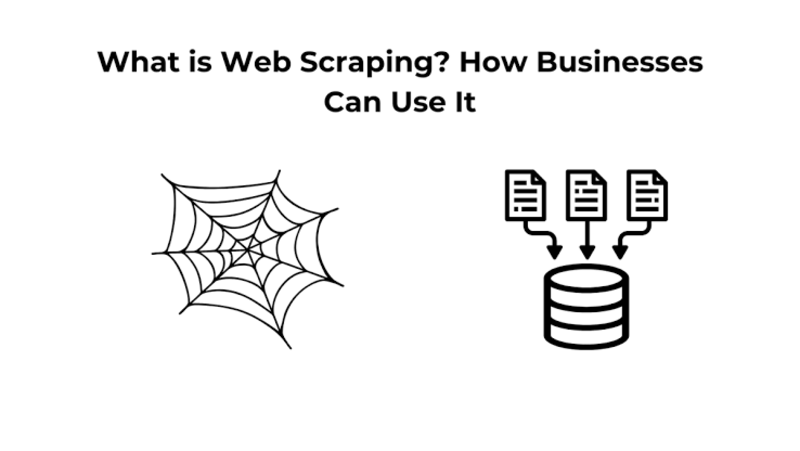
Web scraping is the automatic collection of public data from web pages. Small businesses use it to save hours of manual checking. Facts 1 and 2 explain the basics, which is the first step before choosing a proxy for web scraping for small business.
Fact 1: Web Scraping in Plain Words
A scraper is a small program. It opens a web page, reads the content, and saves the parts you want, such as a product name or a price. A person doing the same job copies each value by hand. Automatic and manual are antonyms, and the speed gap between them is the whole reason scraping exists.
People also say data scraping or web data extraction. These are synonyms in most guides. In word terms, data collection is the hypernym, and web scraping is one hyponym of it. A web page is the holonym, and its price, title, and stock label are the meronyms a scraper reads.
Fact 2: Common Small-Business Uses
Small shops mostly scrape for market research. Market research is the hypernym. Its hyponyms include price monitoring, stock tracking, and public listing research.
- Price monitoring: compare your prices with public competitor prices.
- Stock tracking: see whether a popular item is in or out of stock.
- Listing research: study how public product pages are written.
Notice the word “public.” Every use in this list involves pages that anyone can open without a login. That limit matters later, in Fact 6.
How Does a Proxy Help With Web Scraping?
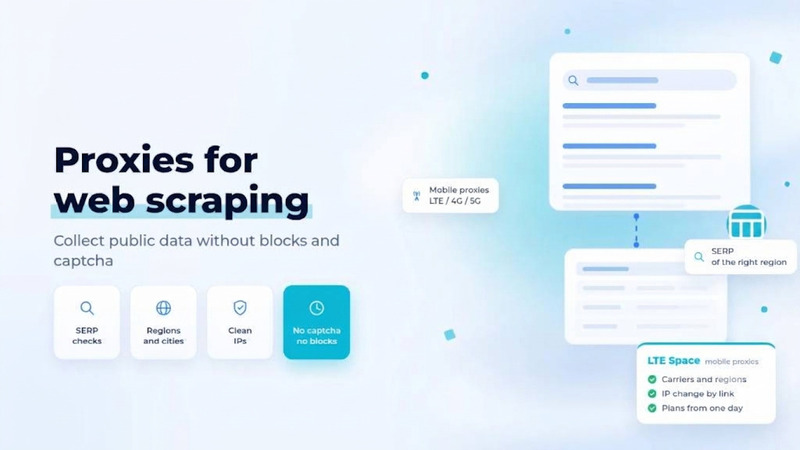
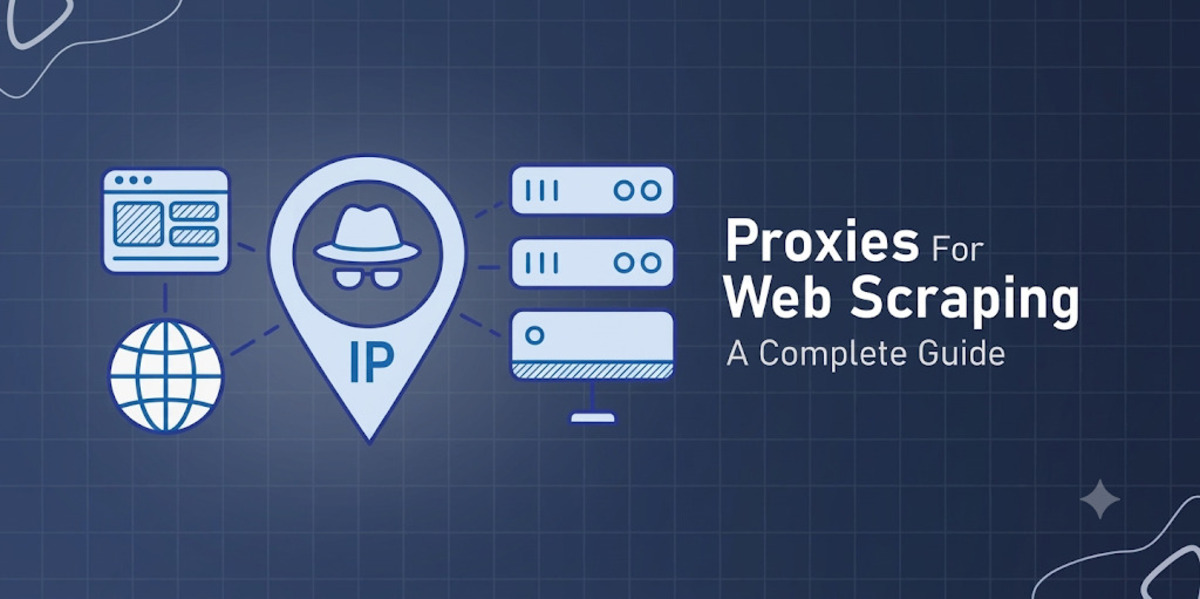
A proxy swaps the IP address a website sees, which can lower the risk of an IP block. Facts 3 to 5 show how that works and which kind fits which job. A proxy for web scraping for small business is a helper, not a guarantee.
Fact 3: What a Proxy Does Inside a Scraper
A proxy is an intermediary between the scraper and the website. It replaces your IP address with a different one. According to Apify’s guide to proxy types, this can help prevent an IP address from getting blocked or blacklisted while scraping.
The word “help” matters. A proxy lowers one risk, the IP-based block. It does not remove the site’s rules, and it does not make a heavy scraper polite. Think of the proxy as a mailing address, not a permission slip. That is the first honest fact about a proxy for web scraping for small business.
Fact 4: Datacenter vs Residential Proxies for Scraping
The two main types fit different jobs.
| Type | IP source | Cost and speed | Block risk |
| Datacenter proxies | Web hosting services | Cheaper and faster | Easier to blacklist |
| Residential proxies | Internet service providers | More expensive | Harder to tell from a regular user |
Mobile proxies are a hyponym of residential proxies. They use phone-network IP addresses and look even more genuine. All three are hyponyms of the hypernym “proxy.” For light, steady checks of public pages, a datacenter option is often enough. Residential options suit cases where the site treats datacenter addresses with suspicion.
Fact 5: Rotating vs Static IP Addresses
A static proxy keeps one IP address. Apify notes that static residential proxies suit cases that need the same IP address for repeat sessions. A rotating proxy changes the IP address over time or between requests, and residential proxies are often used for IP rotation.
Static and rotating are antonyms in this field. Static fits steady, repeat visits. Rotating spreads many requests across many addresses. A shared proxy adds one more point: if one user gets blocked, other users on the same address may be blocked too. For a small shop, a modest rotating pool is usually the first thing to compare.
What Should Small Businesses Know Before They Start?
Know the rules, the limits, and the alternatives before you scrape anything. Facts 6 to 8 cover them. Careful planning keeps a proxy for web scraping for small business useful, honest, and affordable.
Fact 6: Rules, Terms of Service, and robots.txt
Every website has terms of service. Some of them limit automated visits. Many sites also publish a robots.txt file that tells automated tools which areas to avoid. Read both before collecting anything. Laws differ by country and by the type of data, so check the rules where you operate. This guide is general information, not legal advice.
Keep the scope narrow and honest:
- Collect public pages only, with no login.
- Keep the pace light, so the site is not strained.
- Avoid personal data about private individuals.
- Never use a proxy to dodge a ban or to fake accounts.
A ecommerce proxy changes the address a site sees. It does not change what is allowed.
Fact 7: Cost, Speed, and Scale Limits
Cost follows the proxy type. Datacenter proxies are cheaper, and residential proxies cost more. Cheap and costly are antonyms, and a small budget forces a clear choice. Speed depends on server load, distance, and bandwidth, so a nearby server is often quicker.
Scale adds its own limits. More pages mean more traffic, more failed requests, and more cost. A small shop that checks fifty product pages once a day has very different needs from a team that checks fifty thousand. Start with the small number, measure the results, and grow only when the data proves useful. That habit keeps a proxy for web scraping for small business from becoming a hidden expense.
Fact 8: When an API or Dataset Is the Better Choice
Scraping is not always the best route. Some sites offer an API, which is an official way to request their data in a clean format. Some data also exists as a ready-made file or dataset. These options are often more stable than a scraper, because the site itself supports them.
A short manual check may also do the job. If you only need ten prices once a week, a spreadsheet and a browser are enough. Use a proxy only when the volume and the need are clear. Choosing the simpler tool is also a smart way to use a proxy for web scraping for small business: sometimes the answer is not to use one.
Conclusion
A proxy for web scraping for small business is a simple tool with a narrow job. It swaps the IP address a website sees, so a scraper has a lower risk of an IP block. It does not grant permission, and it does not fix a heavy or careless scraper. The eight facts point to one calm habit: define the task, choose the proxy type that fits, read the rules, and start small. Sometimes an API or a short manual check is the better answer. Many small shop owners wish they had learned this before the first blocked page. With these facts in hand, the next decision about a proxy for web scraping for small business rests on clear information.
FAQ
1.Is web scraping legal for small businesses?
It depends on the country, the type of data, and the website’s terms of service. Public pages are a safer starting point than pages behind a login, and personal data needs extra care. Read the site’s terms and robots.txt file first. This is general information, not legal advice, so ask a lawyer when the stakes are high.
2.Do you need a proxy for web scraping?
Not always. A small, slow scraper that visits a few public pages may work without one. A proxy becomes useful when many requests come from one IP address and the site starts to block it. Check the simpler options first, such as an API or a manual check.
3.Which proxy type is best for web scraping?
Neither type wins every time. Datacenter proxies are cheaper and faster, but easier to blacklist. Residential proxies cost more and look more like regular users. Choose by the job, the budget, and how the target site treats each type. This choice is a core part of picking a proxy for web scraping for small business.
4.Can a proxy stop websites from blocking a scraper?
No proxy can promise that. A proxy can lower the risk of an IP-based block by swapping the address. It cannot change a site’s rules or a scraper’s behavior. A light, polite pace on public pages does more for long-term access than any single tool.
